

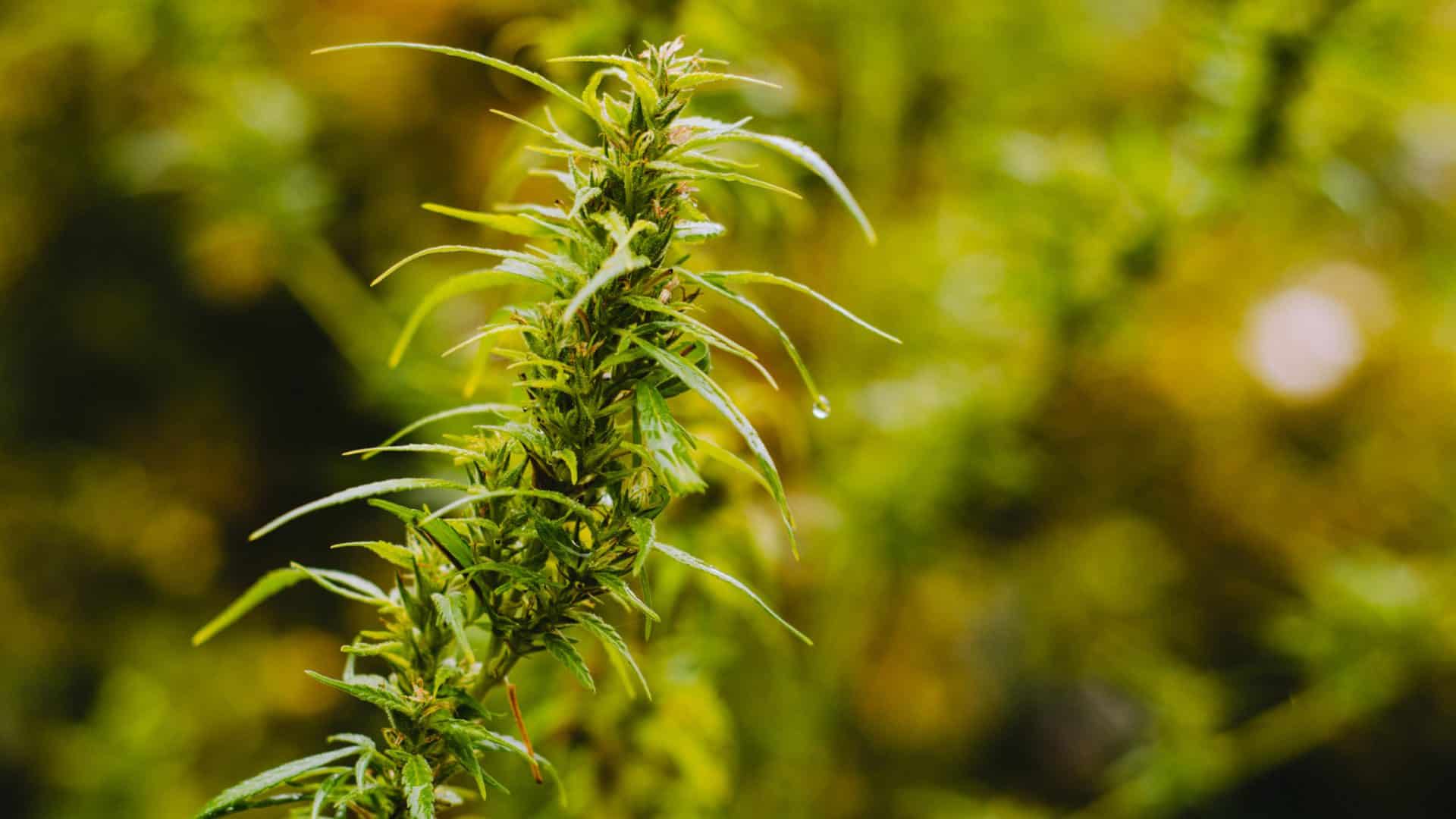
4 ways to make cannabis products more sustainable in 2023
Global warming is a fact. In the cannabis industry, many businesses are doing their bit to make organic, greener, and more sustainable cannabis products. Farmers are growing organic cannabis. Cannabis packaging is being reused, recycled, and repurposed. Cannabis distribution is going local. And the whole cannabis industry is getting organized to share the greenest best practice.
Overall, firms—large and small—are finding ingenious solutions to make their operations more environmentally friendly, updating their methods to make the most sustainable cannabis products out there.
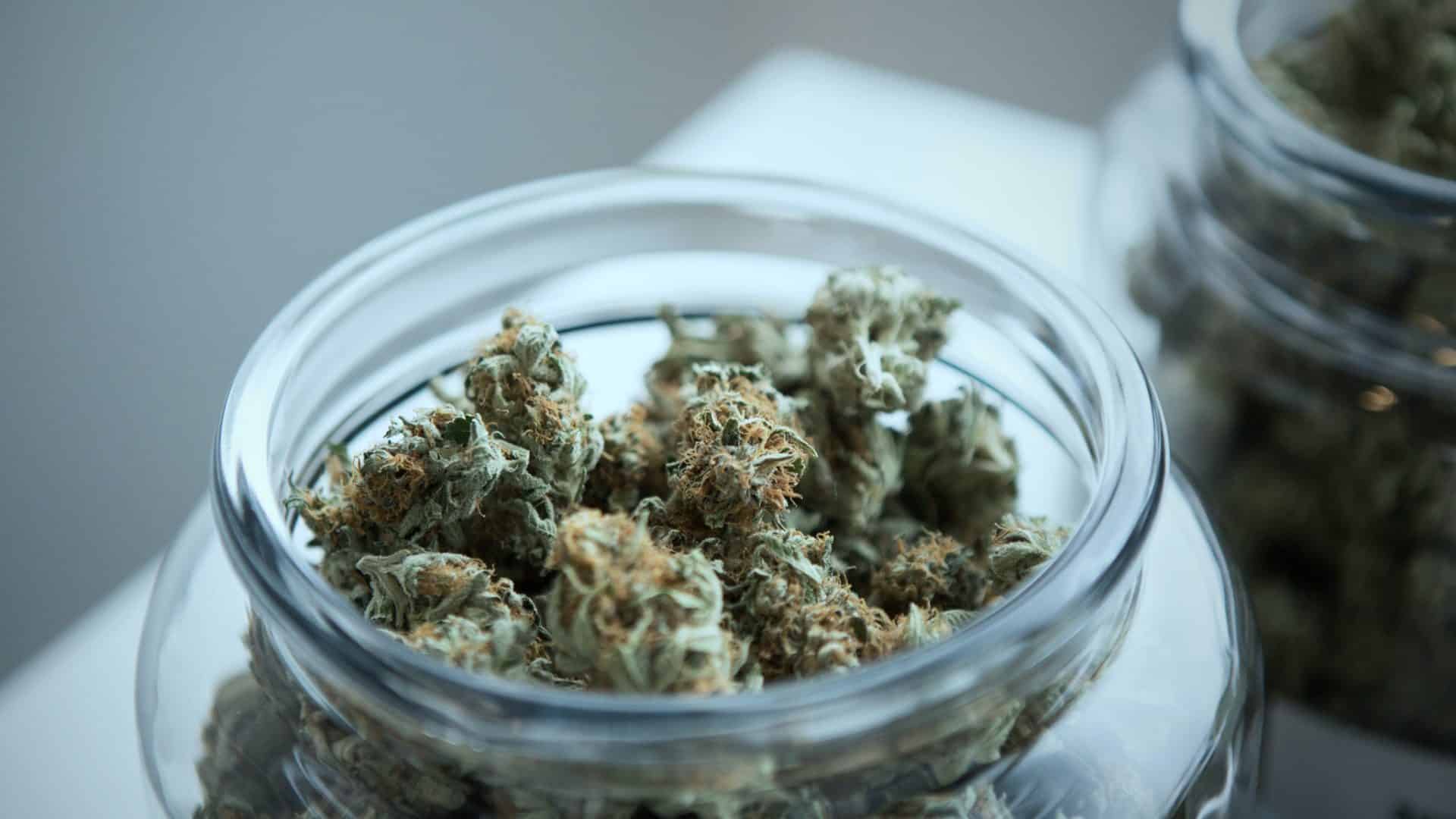
So, let’s cut to the chase and find out what’s happening. How is the cannabis business making more sustainable cannabis products?
Here are 4 ways to be more sustainable in 2023:
1. Growers go organic and use new tech in the search for sustainable cannabis products
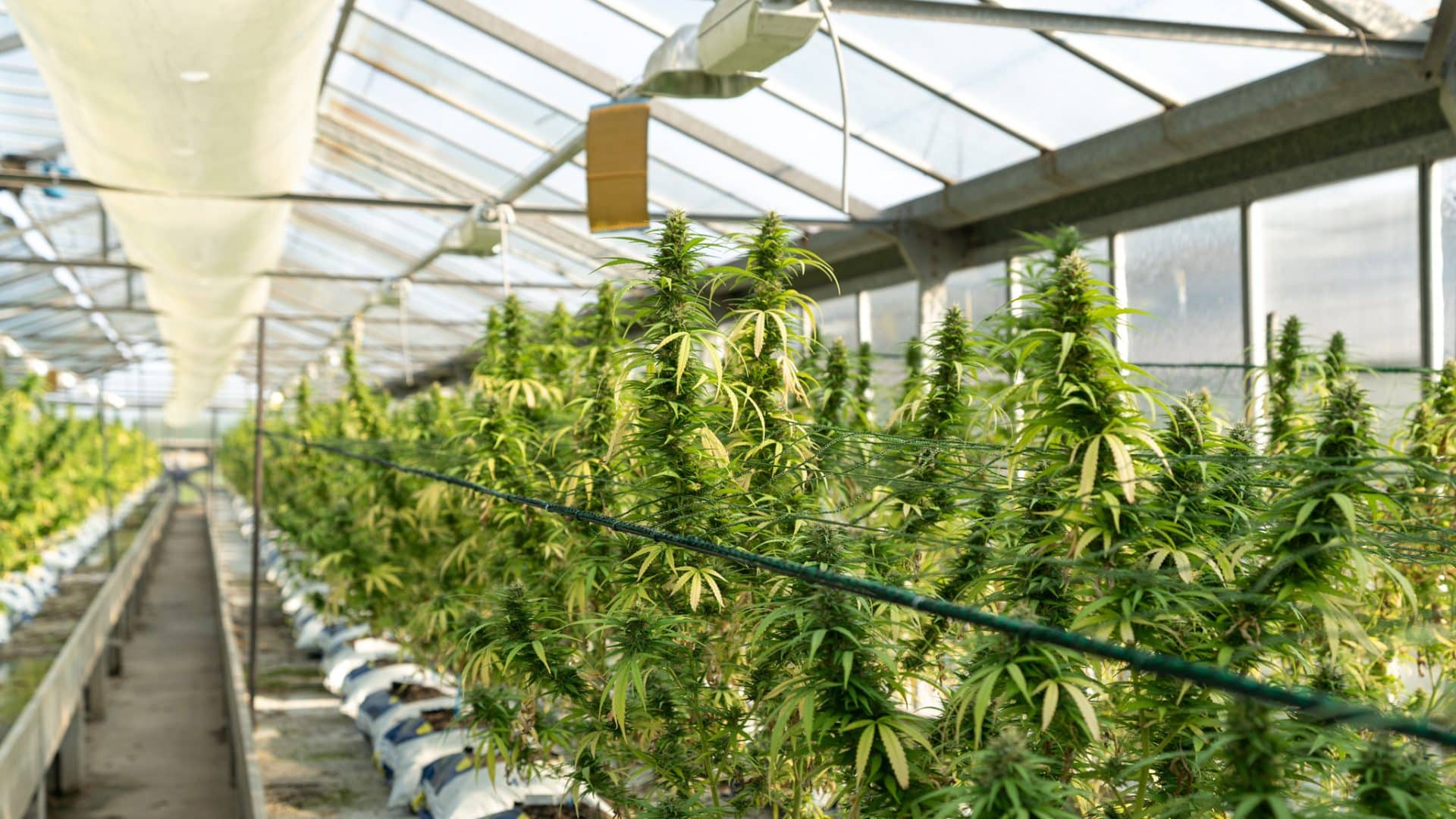
The concept of organic agriculture was developed in the early 1900s by Rudolf Steiner and others. [1] In the second half of the 20th century, the concept started gathering mainstream attention, and today many cannabis and hemp products are made and labeled as organic, helping to reduce the amount of pollutants we add to the environment.
A key development in the pursuit of sustainable agriculture was the introduction of drip irrigation systems. Although the systems were invented in Afghanistan in the middle of the 18th century, [2] they only became popular in the second half of the twentieth century—receiving their first patent in 1959. [3]
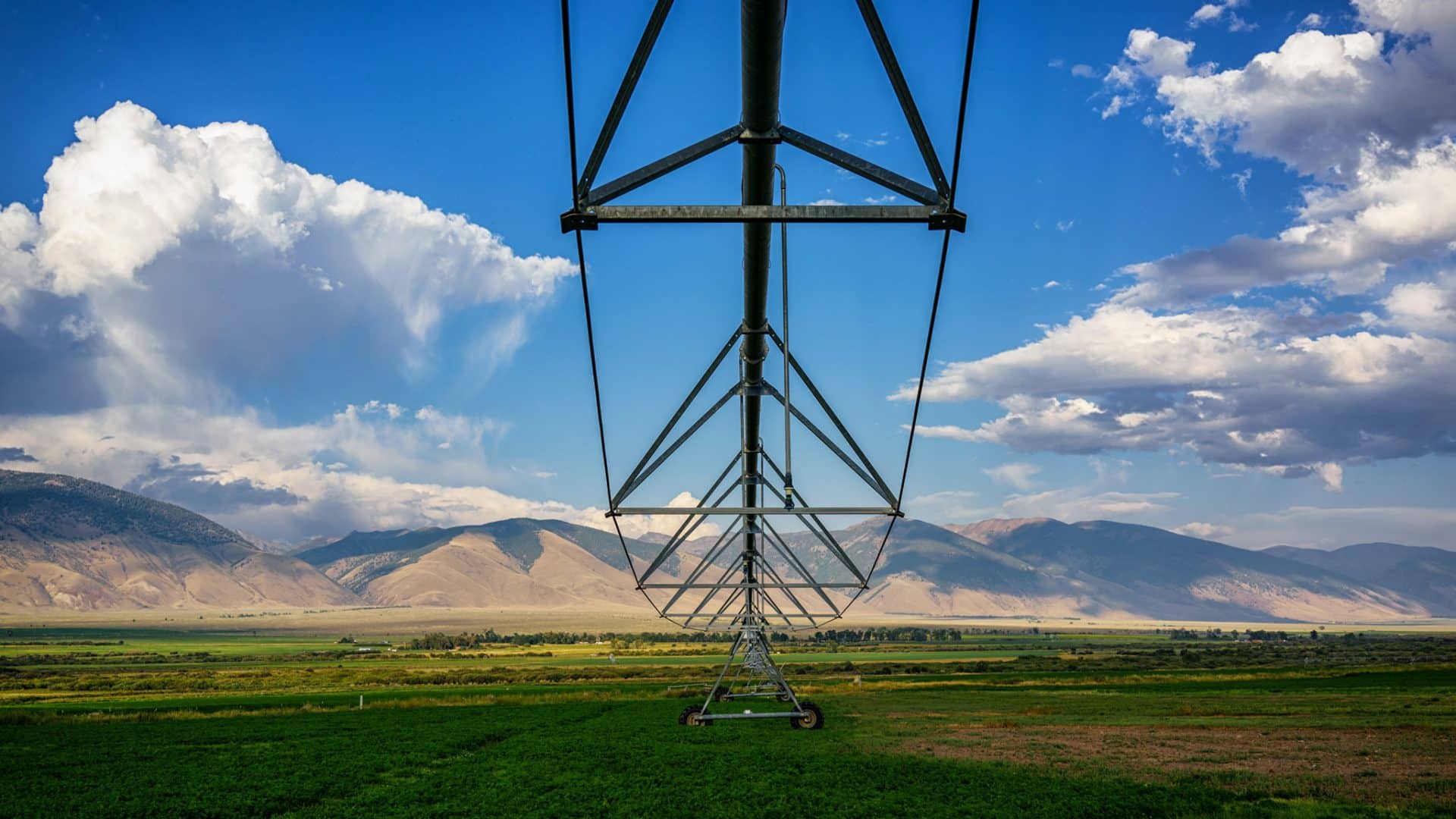
If you visit an outdoor cannabis farm these days, you’ll likely find a drip irrigation system in use. This is an important turn of events because drip irrigation uses far less water than alternative methods.
What else is happening at cannabis farms? Well, cannabis was traditionally grown outside, but starting in the 20th century producers began to cultivate indoors. This required lights which used a lot of power. Has anything been done about this? Yes, fortunately the widespread adoption of LED bulbs means that nowadays there is a significantly reduced carbon footprint. [4]
Anything else? One last thing. Another simple solution adopted by growers is to substitute traditional, chemical fertilizers with their organic counterparts. Organic fertilizers are great because they add more structure and water movement into the soil.
2. Reuse. Recycle. Repurpose.

Creating less unnecessary rubbish is a key part of a brighter future. Less waste means less greenhouse gas emissions. That’s why it’s great to hear that cannabis companies are starting to take sustainable waste management seriously.
Your local coffee shop might have encouraged you to bring your own mug for your cappuccino. Today some cannabis companies are doing something similar. Green for Green for instance provides a reuse network for cannabis containers. [5]
Elsewhere tokers are being urged to upcycle their used pot jars. After a thorough clean, suggestions include using the jars to hold spices and office equipment.
3. Sustainable cannabis products can be 100% local
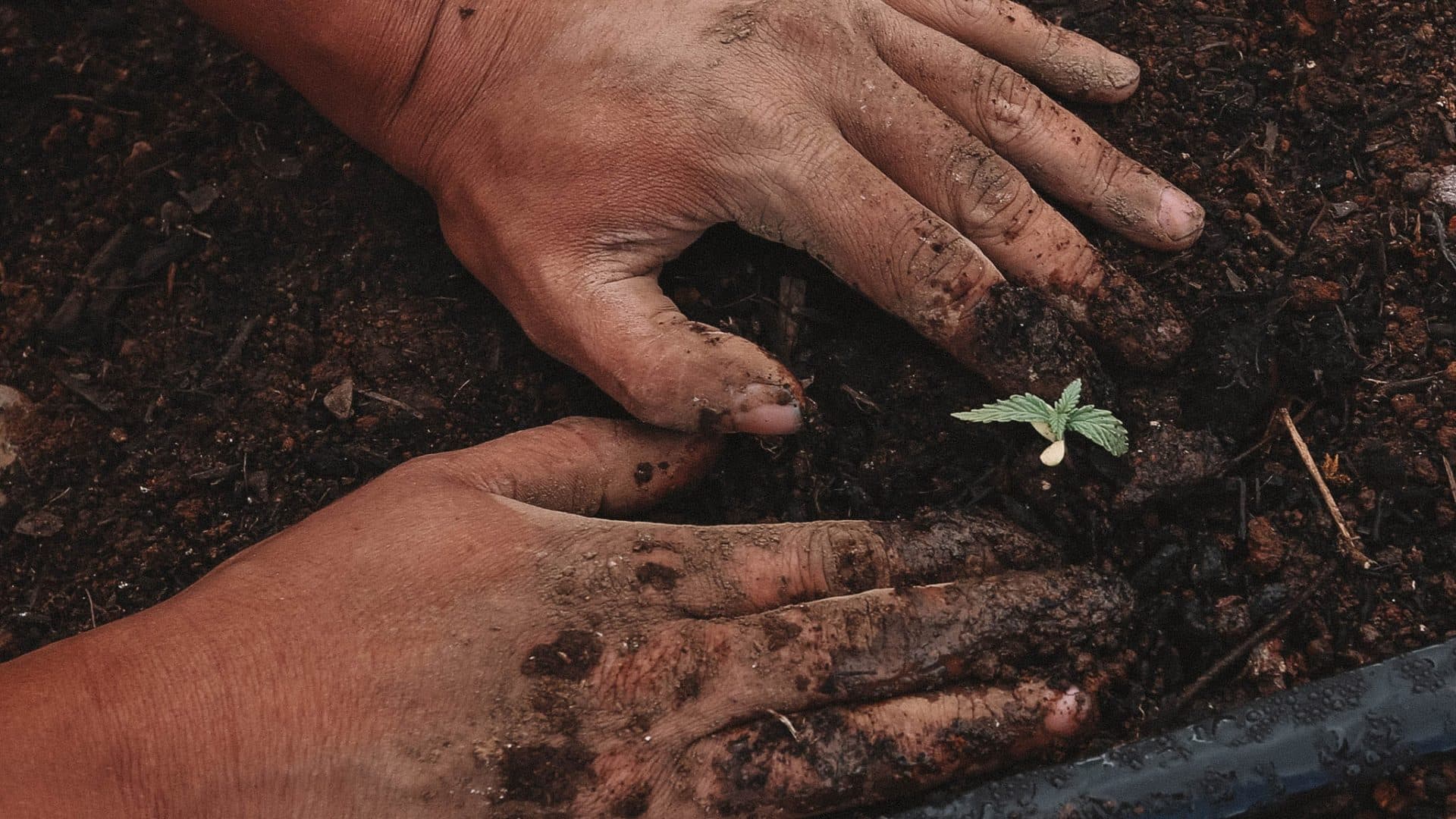
Ever thought about how far your rolling papers and tips had to travel before they first touched your lips? Did they arrive from close by or did they come in a container from thousands of kilometers away?
The distribution of cannabis goods is an emission-generating activity, and the drive towards the purchase of more local products can reduce fuel consumption and minimize carbon emissions.
With this in mind, some cannabis brands are urging consumers to buy local. [6] Although the gains can be on the small side in a single purchase, if this approach was taken up more widely the benefits would be significant.
4. Spread best practices about sustainable cannabis products
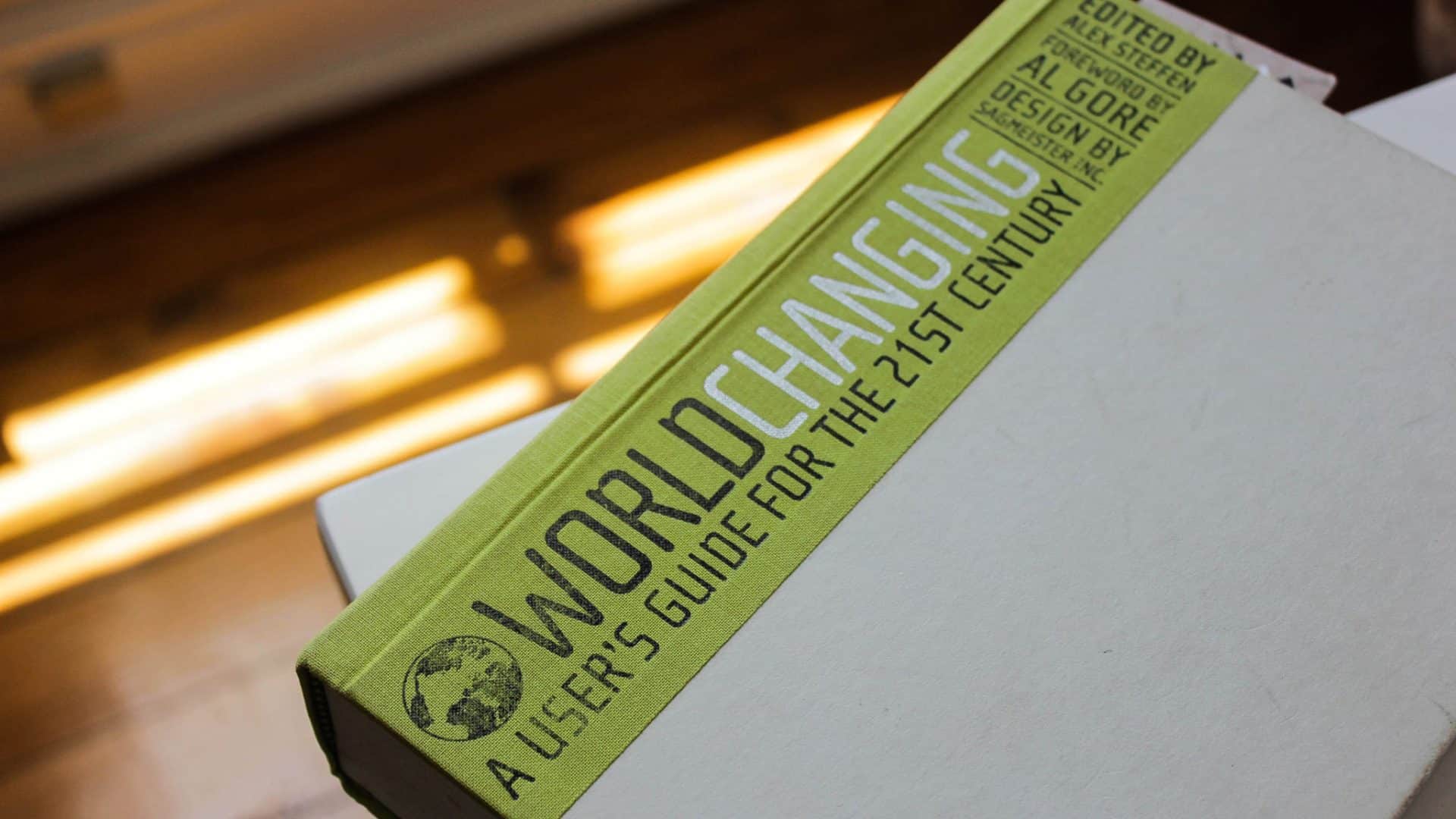
Another thing firms are doing to go green is organizing themselves into coalitions so that they can share knowledge about the latest developments in sustainability. How has this worked in practice?
The Sustainable Cannabis Coalition,[7] for example, brings together ideas from across the cannabis world. With topics that range from beneficial insects for your cannabis plants to getting the right builders in for the construction of a sustainable cannabis facility, the organization spreads insights through its blog, podcast series, and spokesperson network.
ROOR’s sustainability credentials
ROOR’s rolling papers are environmentally-friendly. Have we got any evidence to back that up? Yes, we have. To prove it, let’s do a 20-second tour of the range, starting with a quick sentence about the gum.
ROOR’s world-first rolling papers are made with natural, CBD-infused gum sourced from acacia trees.

ROOR’s ORGANIC HEMP booklets are GMO free and use no dyes, no chalk, no additives, no chlorine, and no bleaching agents. They’re made from 100% organic hemp from the Aube region in north-east France. Aube has rich soils and many forests which make it a perfect place to grow lush and abundant hemp crops in balance with nature.

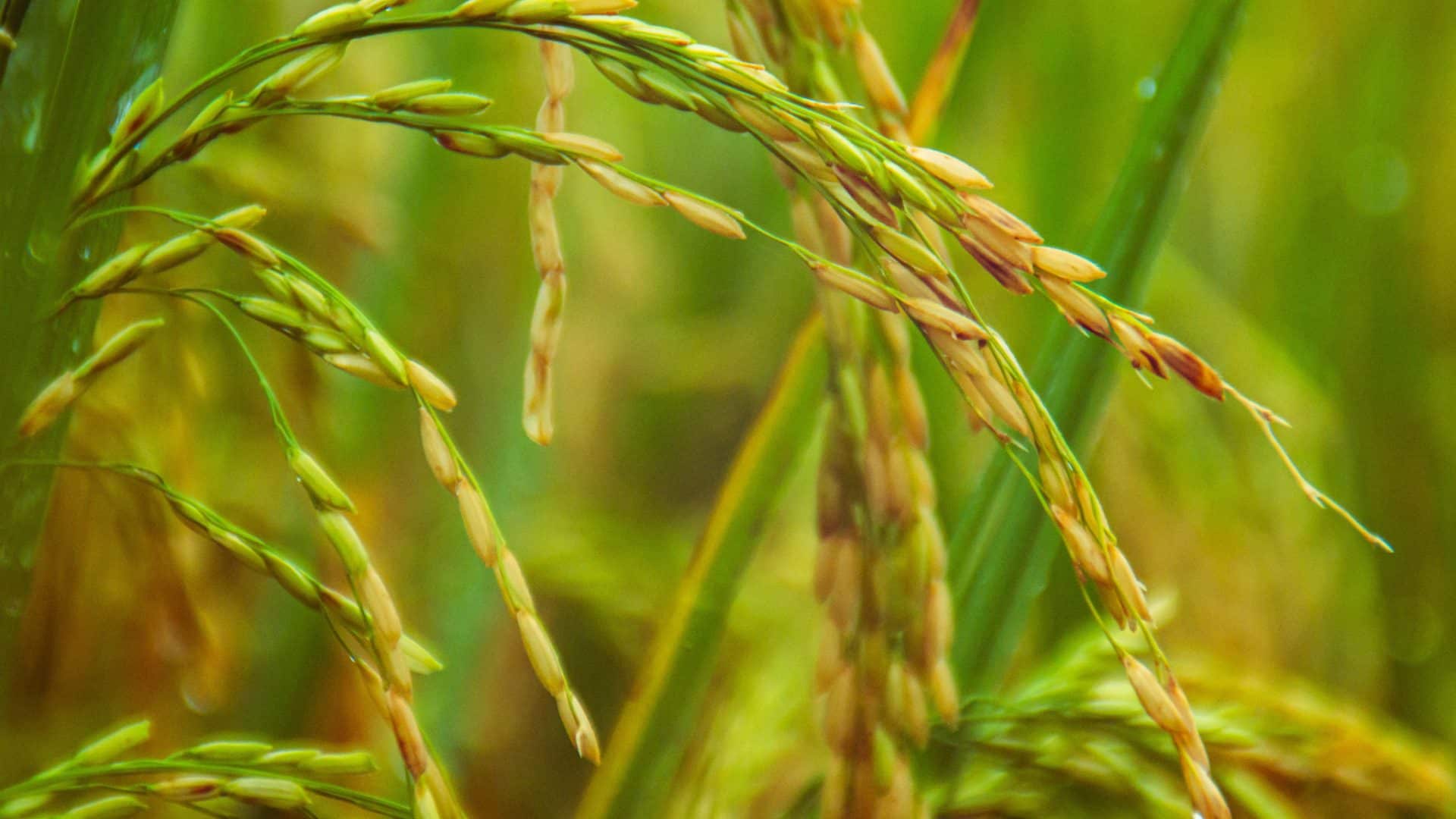
ROOR’s RICE booklets are also GMO free and contain no dyes, no chalk, no additives, no chlorine, and no bleaching agents. The papers are made in a traditional way from rice straw, a section of the rice plant that is often thrown away. ROOR’s rice straw comes from certified PGI (Protected Geographical Indication) rice crops in the beautiful Camargue region in Southern France.
ROOR’s UNBLEACHED booklets are wood-fibre based and sourced from sustainably managed forests. They are made from trees which are grown in places with a self-replenishing ecosystem that is carefully maintained so what is taken out is put back in. ROOR’s papers follow strict guidelines to extract eco-friendly wood-pulp from sustainably managed forests in France and Sweden according to the “track and trace” process. As with the other papers in ROOR’s range they are GMO free and contain no chalk, dyes, additives, chlorine or bleaching agents.

In addition, so that emissions are kept to a minimum, as a principle at ROOR we make sure that our principal suppliers are as close as possible to our production facility and that they use 100% hydro-electric energy.
It’s a good start, but it’s still not enough
With all the talk of climate change and the ruin of the earth’s resources, it’s reassuring to hear that the cannabis sector is taking some steps towards reducing its climate impact. This is an improvement, but it’s not the end of the road.
So, let’s hope in the years ahead companies find even more enthusiasm for sustainable cannabis products. Consumers need to do their part too. What steps could you take to make the pot you enjoy have less of an impact on the planet? Have you, perhaps, ever thought about reusing your old bong as a vase for cut flowers?